
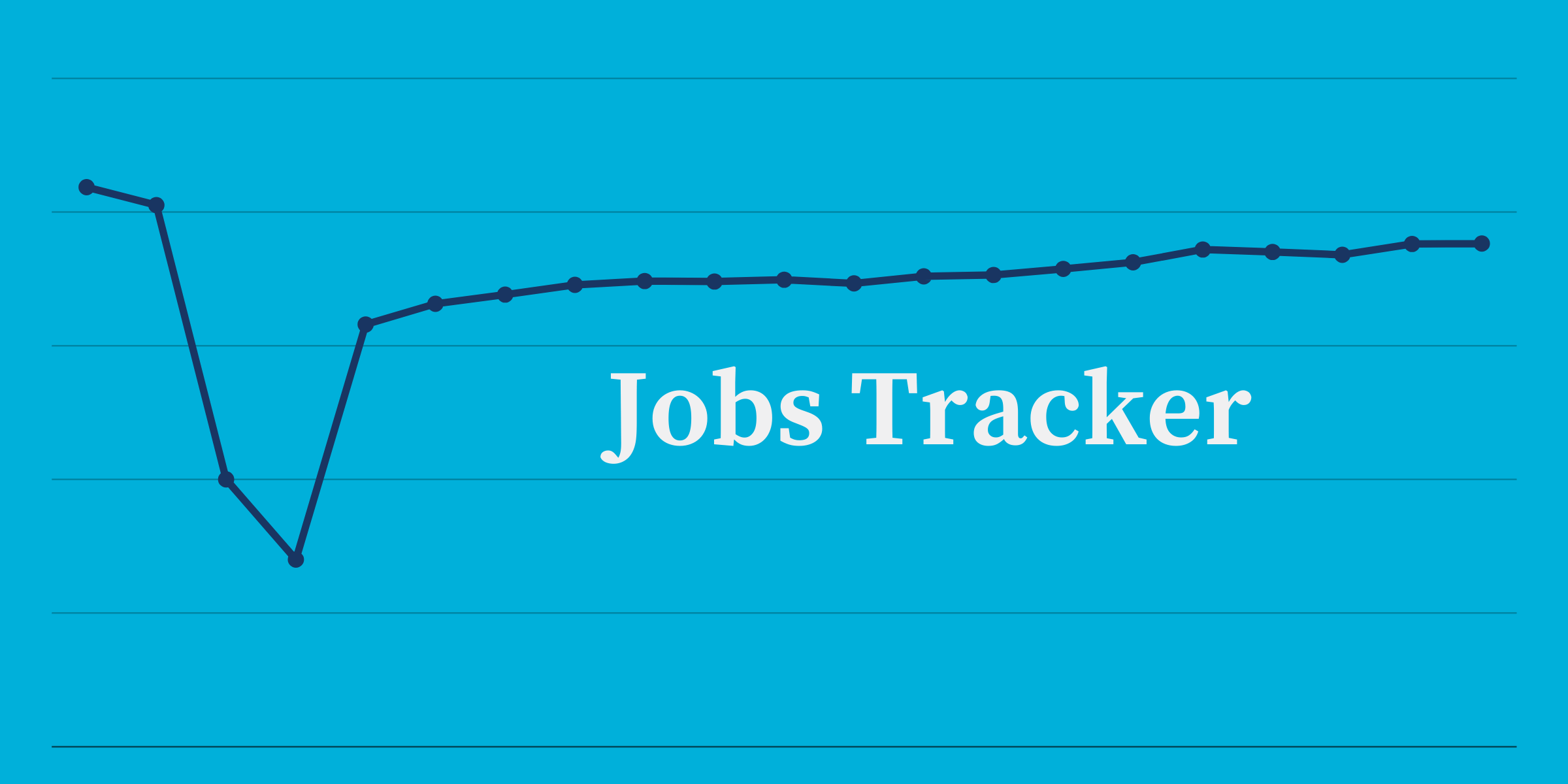
Child care employment saw the biggest gain in eight months as the sector added 10,600 jobs in June. Nonetheless, employment still lags behind the U.S. economy as a whole, which has nearly recovered to pre-COVID employment levels.
This has ripple effects as states – and workers – continue to grapple with child care job shortages. This especially impacts women with young children.
Figure 1
-101,500
Child care jobs lost since Feb 2020
90.4%
Percentage of child care jobs today compared to Feb 2020
Child care job numbers from selected states and metro areas continue to fluctuate each month. Even as some states like New Jersey and Texas experience an uptick in employment, they still fall short of pre-pandemic employment numbers and communities struggle to recruit and retain teachers.
Figure 2
Details on the data source
- Data Source: U.S. Bureau of Labor Statistics. (2021). Employment, Hours, and Earnings from the Current Employment Statistics survey.
- Current month’s jobs numbers are a preliminary estimate by BLS. Our figures include BLS adjustments to previous months and thus may differ from earlier Jobs Tracker Figures. These estimates include employees in the “child day care services” industry, which includes child care, Head Start, preschool and school-age care programs. The estimates include employees only and do not include self-employed workers, such as owners of home-based child care figures published by CSCCE.
- This employment data cannot be disaggregated by education, race/ethnicity, role, setting, or funding stream.
- For the “child day care services” industry, estimates for a small number of states and cities are available, a selection of which are included here. The availability of state- or city-level estimates varies by industry, and the most recent month’s jobs numbers are a preliminary estimate by BLS. These data are released by BLS later in the month than national.